New York: I Thought I Knew the Woman I Was Designing For
I arrived in New York full of excitement, convinced that she would be everywhere.
The woman I had designed for felt so clear in my mind; structured, composed, instantly recognisable. I expected to see her on every corner, moving through the city with the same presence I had imagined when creating For All Daughters.
But if I’m honest, I didn’t fully know. I hadn’t been in this city for over a decade, and I didn’t know how this idea would land in a place that moves as fast and as fluidly as New York.
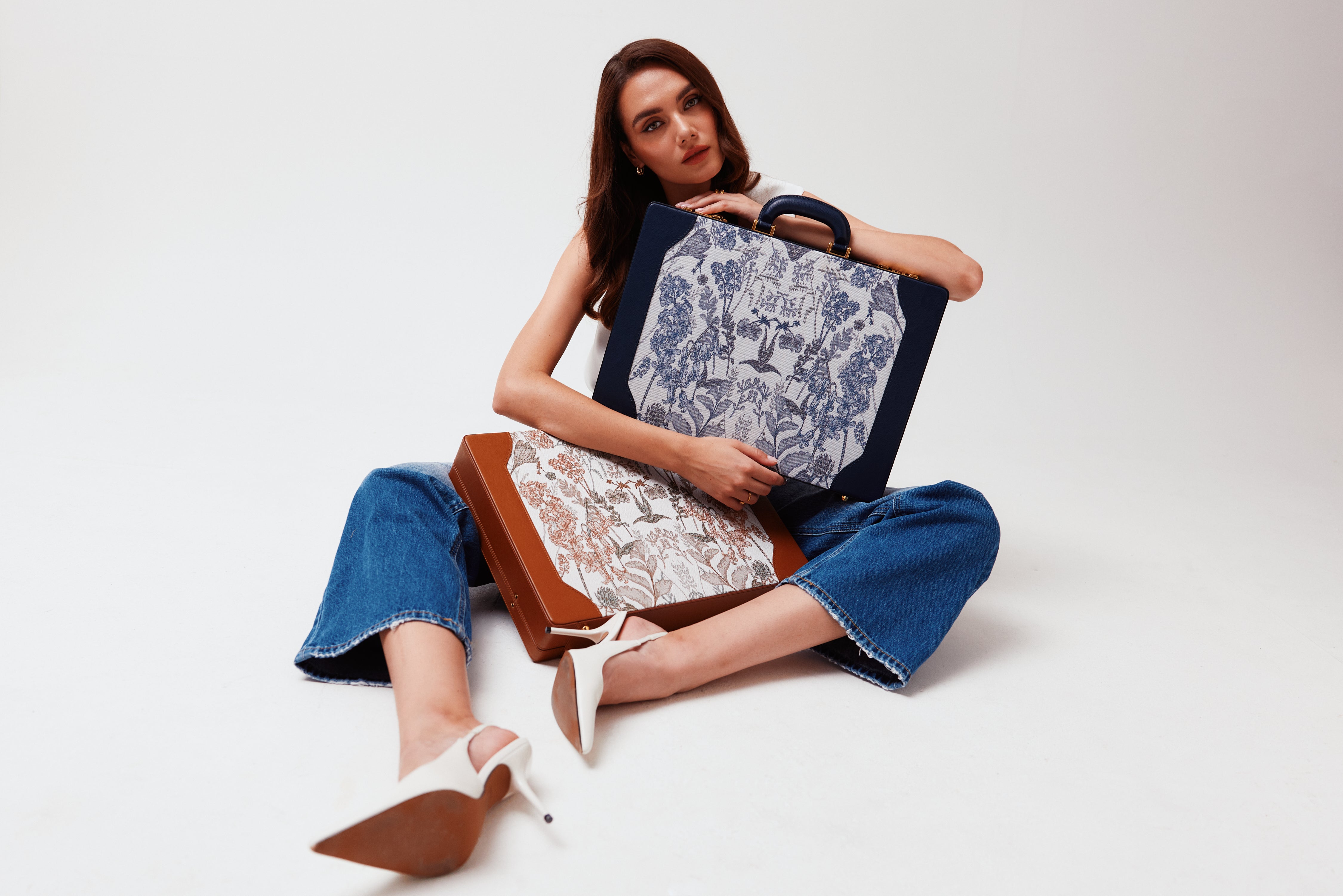
So I carried the briefcase with me, not to sell it but to understand it, and to observe what happened around it.
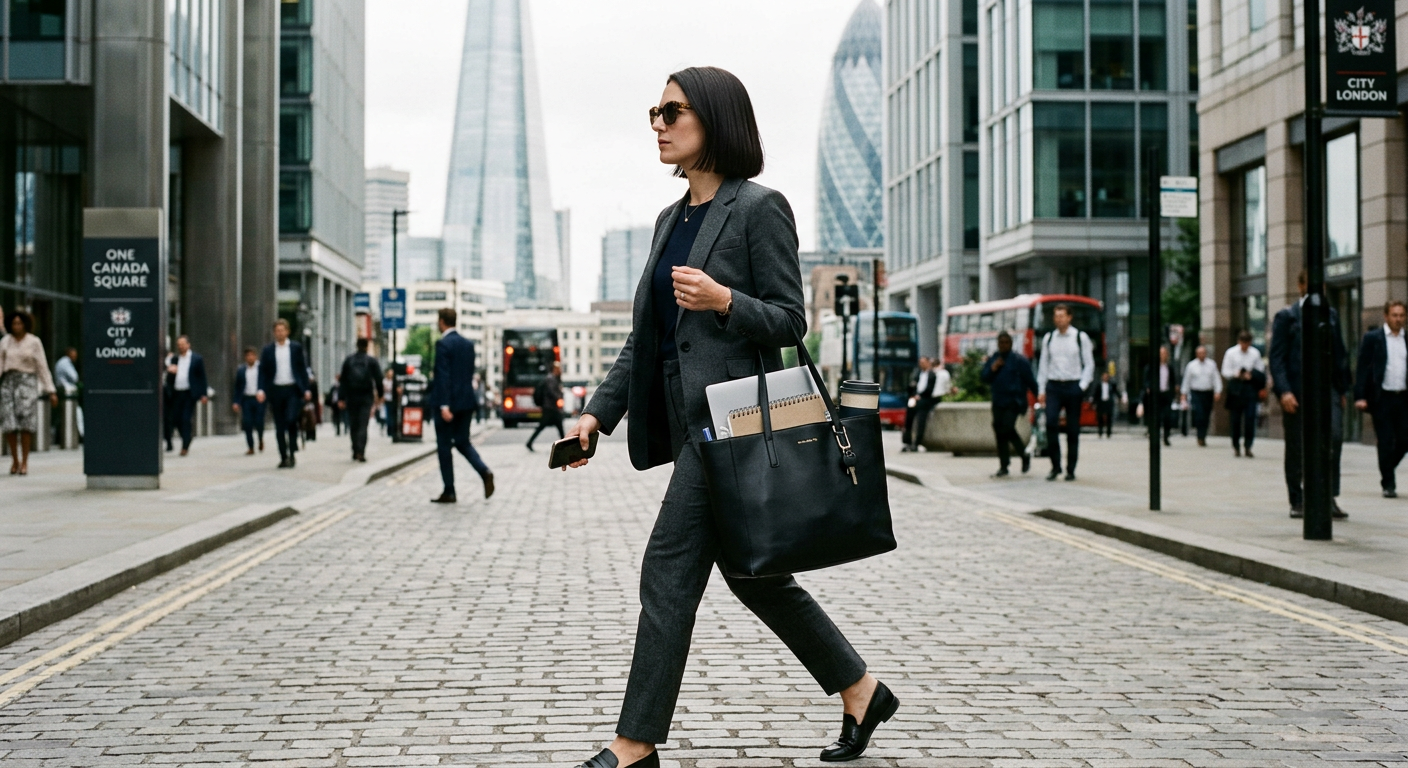
New York reveals behaviour quickly, and to stand out there is not an easy task. By Friday morning in Bryant Park, one thing was immediately clear: no one was carrying what I was carrying. Women weren’t moving through the city with one structured bag. Instead, they were carrying multiple things at once, backpacks, totes, crossbody bags — often layered with gym bags, laptops, and everything else required to navigate a full day. Shoes were practical. Outfits were fluid.
Was it because it was Friday? Was Friday casual in New York, or was this the norm?
Later, inside the Bank of America Tower (one of the few places I was certain I would see her) it was the same again. There was no obvious “power dressing,” no rigid uniform of authority. The image I had in my mind, of structured silhouettes and clearly defined presence, felt increasingly distant from what I was seeing in reality.
What was interesting, though, is that when I spoke to women about it, the reaction was very different. They understood it immediately, just not in the way I had expected.
When I created For All Daughters, I thought I was designing for a very specific kind of woman. But in reality, I was designing for a version of myself — the version that needs to feel composed, put together, and certain in the moments that matter. The version that steps into a room knowing she needs to hold her ground.
I believed she was easy to identify. What New York showed me is that she isn’t a fixed type of woman. She’s a version that exists within many women; just not all of the time.
Women are moving constantly between work, home, meetings, travel, and family life — carrying more, adapting more, and shifting throughout the day in ways that make a single, defined version of “the professional woman” almost impossible to identify on the street. What became clear is that she isn’t static, she transforms. The trainers become heels. The coat becomes a blazer. And in those moments, the meeting, the presentation, the room that matters — she becomes exactly who I had imagined. Not all day, but precisely when it counts.
That is where this briefcase sits.
It is not designed to replace everything a woman carries throughout her day, but to define how she chooses to show up when it matters most.
Not every woman moves through her day in the same way. Some are commuting across cities on foot, managing multiple demands at once. Others are moving between meetings by car, but the common thread is not how they get there — it is how they choose to arrive.
What surprised me most was the reaction. Conversations started without prompting. Strangers noticed it (including men), which is rare when it comes to what women carry. It stood out, not because it was loud, but because it was different.
In a landscape shaped by practicality and movement, a structured object signals something else entirely: intent, presence, and decision.
There is a tension in how women live and work today. On one side, there is flexibility, movement, and practicality. On the other, there is still a need for presence, authority, and structure. The modern woman operates across both, yet most products are designed to serve only one.
I didn’t leave New York with everything answered, but I left with something far more useful: clarity. This is not a product for every moment. It is a product for the right moments.
And those moments exist across industries, across cities, and across different ways of working and living. So the question is no longer whether women need another bag. It is what they choose to carry when the moment matters.